
End-of-summer cleaning is the seasonal reset that most homeowners intend to do, and few actually complete. Summer puts specific demands on a home’s interior: more foot traffic, humidity, sunscreen and sand tracked across floors, and more irregular meal schedules that leave the kitchen in a different state than it occupies during the school year. End-of-summer cleaning addresses that accumulated residue in a focused, efficient way rather than spreading it across a dozen half-finished cleaning sessions.
End-of-Summer Cleaning Priorities for High-Traffic Rooms
The rooms that take the most summer-specific abuse are the places to start. Beginning with high-impact areas rather than working through the house systematically produces visible results quickly. Bathrooms used by kids returning from water activities accumulate sunscreen residue, chlorine deposits, and general outdoor grime. Shower walls and tub surfaces develop a film from sunscreen that routine weekly cleaning doesn’t fully address. A more thorough end-of-summer cleaning of bathroom surfaces resets these spaces before fall. Laundry rooms work harder in summer than any other season. The combination of uniforms, towels, and heavy seasonal volume leaves washing machines and dryers with buildup and residue. Running a machine cleaning cycle, wiping the drum and door gasket, cleaning the dryer lint trap housing rather than just the removable filter, and clearing around both units makes the laundry room function better going into fall.
Living areas accumulate summer clutter. An end-of-summer cleaning of the living room involves returning these items to appropriate storage, which often reveals surfaces and furniture that haven’t been fully cleaned since they were last accessible.
The Forgotten Surfaces That Cleaning Should Cover
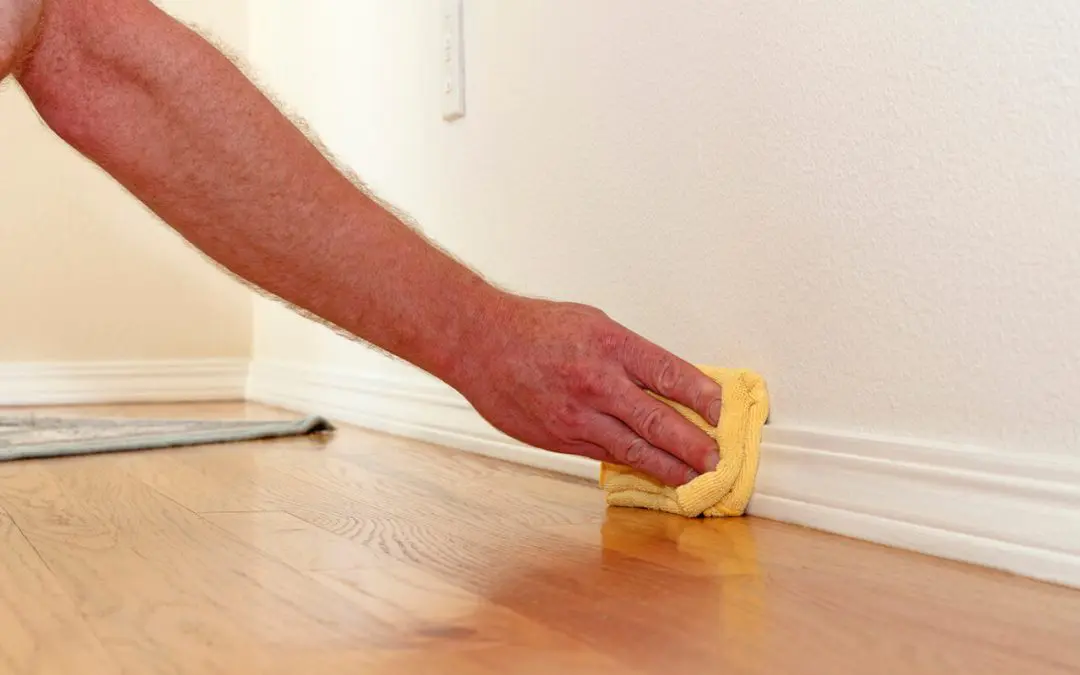
Ceiling fans running continuously through summer collect remarkable dust on blade surfaces that gets redistributed into the room every time the fan runs. Wiping each blade with a damp cloth before switching direction for fall prevents the first cool-weather use from producing a visible dust cloud. Window sills, window tracks, and door tracks are seasonal collection points for dust, dead insects, and debris that open windows deposit in quantity. A vacuum attachment followed by a damp wipe removes what routine cleaning consistently misses and improves both the appearance and operation of windows and sliding doors. Baseboards and floor edges collect the pet hair, tracked-in debris, and accumulated dust that heavy summer foot traffic produces. An end-of-summer cleaning of these horizontal surfaces, vacuum then damp cloth, makes a room feel noticeably cleaner in a way that’s disproportionate to the time the task takes.
Deep Cleaning the Kitchen as Part of End-of-Summer Cleaning
The refrigerator is the kitchen area most affected by summer use. A season of grab-and-go eating, more produce, and more beverage storage creates the residue, spills, and forgotten items that accumulate in drawers and on shelves. An end-of-summer cleaning that empties, wipes, and reorganizes the refrigerator sets the baseline for the more structured meal planning the school year brings. Cabinet interiors, the inside of the microwave, and the top of the refrigerator fall outside the regular cleaning rotation and accumulate a full season of residue before they’re addressed. Including them in your cleaning prevents that accumulation from becoming a permanent condition that’s increasingly difficult to address the longer it sits.
Frequently Asked Questions (FAQs)
When is the right time to do end-of-summer cleaning?
Late August through mid-September is the practical window for most households.
How is end-of-summer cleaning different from a regular deep clean?
A regular deep clean works through the home comprehensively on a periodic schedule. End-of-summer cleaning is more targeted; it focuses on what summer specifically does to a home’s interior: sunscreen and chlorine residue in bathrooms, the overworked laundry room, living area clutter drift, and kitchen surfaces that absorb a season of casual high-volume use. It also has a forward-looking orientation that regular deep cleaning doesn’t.
How do I do end-of-summer cleaning efficiently without spending a full weekend on it? Zone the work over several evenings rather than one session: bathrooms one evening, the laundry room another, forgotten surfaces on a third pass. Each session produces a completed result rather than partial progress everywhere. Keeping a running list during the season of what needs attention makes the planning significantly easier.
What cleaning products work best for sunscreen residue in bathrooms? Sunscreen residue is oil-based and resists water and standard all-purpose cleaners. A degreasing cleaner or dish soap on a microfiber cloth cuts through the oily film better than most bathroom sprays. For grout lines where residue collects, a stiff brush with baking soda paste followed by a vinegar rinse addresses buildup that sprays don’t reach. Avoid abrasive scrubbers on acrylic or fiberglass surfaces — they scratch in ways that make future cleaning harder.
Should I declutter as part of end-of-summer cleaning or keep them as separate projects? Combining a light declutter with end-of-summer cleaning produces better results than cleaning around items that don’t belong. The declutter step — returning seasonal items to storage, clearing surfaces before cleaning them — makes the actual cleaning faster and more thorough. A full dedicated declutter is a separate project, but the surface-level decision-making that end-of-summer cleaning naturally prompts is worth acting on rather than deferring to a future session.