
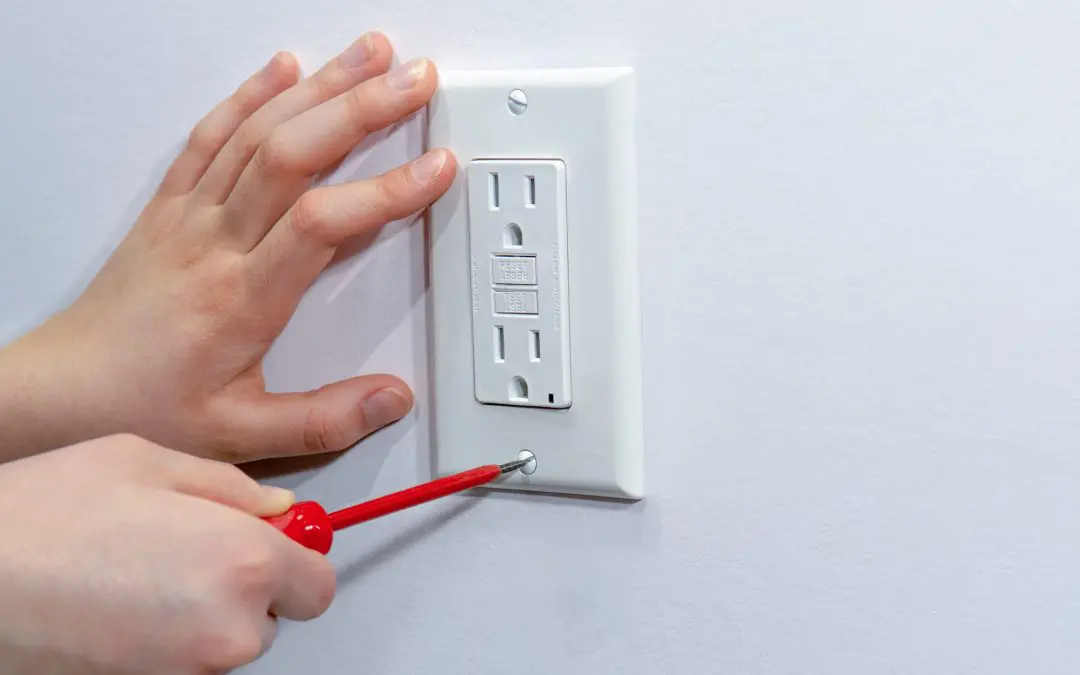
The electrical system is the only system in a home where a concealed failure can produce a fire without any visible warning. Plumbing leaks leave water stains. HVAC failures leave comfort complaints. Electrical failures can leave nothing visible at all until the damage is already done. The electrical safety habits and inspections that matter most are the ones that address the conditions most likely to produce hazards in a residential electrical system and that most homeowners have never been shown to look for.
Electrical Safety Habits That Protect Every Home
The electrical panel is the heart of the home’s electrical system and the component that most directly affects electrical safety throughout the property. A panel with breakers that trip and reset correctly, no signs of heat damage or corrosion, and circuits labeled accurately is doing its job. A panel with breakers that feel warm, trip inconsistently, or have been modified to prevent tripping warrants immediate professional evaluation. Two specific panel types carry documented safety concerns significant enough that insurers frequently decline to cover homes with them: Federal Pacific panels with Stab-Lok breakers and Zinsco panels. Both have well-documented failure modes involving breakers that don’t trip under overload. Homeowners with either panel should have them assessed by a licensed electrician and replaced when recommended.
Outlet and Wiring Electrical Safety Throughout the Home
Ground-Fault Circuit Interrupter (GFCI) outlets are required in bathrooms, kitchens, garages, and outdoor locations because those areas combine electricity with moisture, the condition that most commonly produces shock hazards. Testing every GFCI outlet monthly by pressing the test button confirms the protection is functioning; a GFCI that doesn’t trip provides no protection and should be replaced. Extension cords and power strips are the concern most consistently underestimated in residential settings. Extension cords are designed for temporary use, not for permanent connection of appliances. A permanently installed extension cord running under a rug or behind furniture is one of the most common electrical safety hazards found in older homes. Power strips with surge protection are appropriate for electronics but not for high-draw appliances like space heaters or refrigerators, which should be plugged directly into wall outlets on dedicated circuits.
Signs That Warrant Immediate Attention
Flickering or dimming lights when a large appliance starts indicate a voltage drop under load that may point to a loose connection or service capacity issue. Outlets or switches that are warm to the touch, produce a buzzing sound, or show discoloration indicate heat being generated at the connection, the condition that immediately precedes an electrical fire. A burning smell anywhere in the home without a visible source is the electrical safety emergency that warrants shutting off the relevant circuit at the panel and calling an electrician the same day.
Frequently Asked Questions (FAQs)
How do I know if my home has an electrical problem?
The most reliable indicators are detectable without opening walls: breakers that trip frequently or feel warm, outlets or switches that are discolored or produce sounds, flickering lights that correlate with appliance start-up, burning smells without a visible source, and GFCI outlets that don’t respond to the test button. A professional electrical inspection provides a more systematic assessment than a homeowner walkthrough can produce.
What is the difference between a circuit breaker and a fuse?
Both interrupt the circuit when an overload occurs to prevent wiring from overheating. The electrical safety concern arises when a fuse panel has been modified, when a fuse has been replaced with one of a higher amperage than the circuit is rated for, or when a coin has been inserted to bypass a blown fuse. These modifications defeat the protection the fuse provides and represent a fire hazard requiring immediate professional attention.
How often should I have my home’s electrical system professionally inspected?
A professional inspection is recommended when purchasing an older home, when adding significant new electrical load, when a home hasn’t been inspected in more than ten years, or when any warning signs are present.
Are older homes with knob-and-tube wiring a serious electrical safety concern?
Yes, knob-and-tube wiring lacks a ground wire, wasn’t designed for modern electrical loads, and loses insulation flexibility over time. Contact with attic insulation, common in retrofitted homes, creates an overheating hazard. Many insurers decline to cover homes with active knob-and-tube wiring.
What electrical upgrades make the most sense for an older home?
Panel replacement, particularly for Federal Pacific or Zinsco panels, is the electrical upgrade with the highest return. GFCI protection at all required locations, AFCI protection at bedroom circuits, and updating aluminum branch circuit wiring at connection points are the next tier. Adding dedicated circuits for high-draw appliances and replacing ungrounded two-prong outlets with grounded or GFCI-protected alternatives completes the electrical safety foundation.
Brand Name Home Inspections provides inspection services to homebuyers and sellers in Northern California. Contact us to schedule an appointment for our services.