
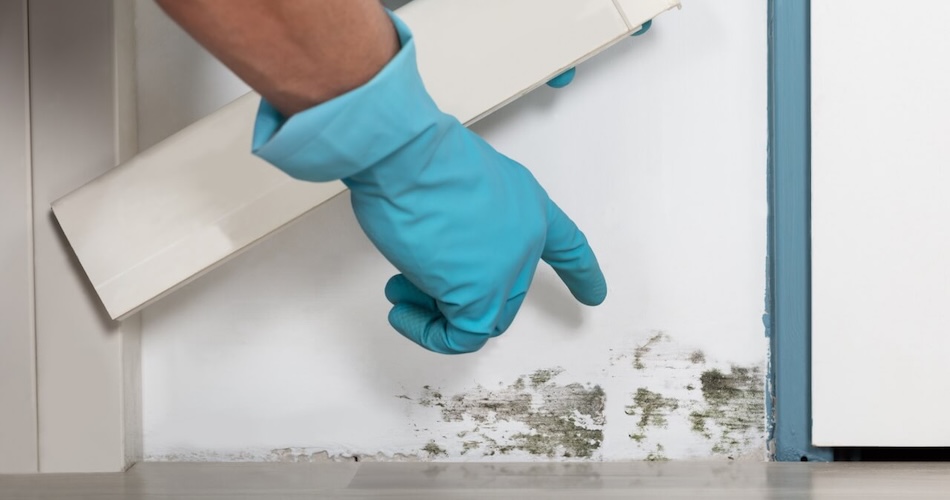
Mold establishes in dark, damp, concealed locations: inside wall cavities, beneath flooring, in attic spaces, behind bathroom tile, and in crawl spaces where no one looks until something goes wrong. By the time the signs of mold are visible on an interior surface, the colony has typically been developing in a concealed location long enough to spread beyond the surface expression. Recognizing the earliest signs before visible growth, structural damage, and indoor air quality is significantly affected is the knowledge that makes a remediation manageable rather than overwhelming.
The Signs of Mold Every Homeowner Should Recognize
The most obvious signs of mold are visible growth. Mold is not always black; it appears in green, white, gray, orange, and brown variations depending on the species and the surface it’s growing on. Dismissing a discolored surface because it “doesn’t look like mold” is a mistake that most frequently delays a response. Any persistent discoloration in a moisture-prone area that returns after cleaning warrants investigation. A musty odor without a visible source is one of the most reliable signs of mold where growth is concealed. Mold produces microbial volatile organic compounds that create the characteristic earthy, musty smell most people instinctively associate with mold even without visual confirmation. A persistent musty odor strongest in a specific area, that intensifies after rain events, or that is present in a closed space like a closet or crawl space is an indicator that most reliably points toward concealed growth.
Physical and Health-Related Signs of Mold Exposure
The physical signs of mold on building materials, such as water staining that correlates with rain events, paint that is bubbling or peeling from a surface not in direct water contact, wallpaper lifting at the seams, or flooring that has warped without an obvious spill, indicate that moisture has been present in the wall or floor assembly long enough to affect the materials themselves. These signs suggest the moisture source has been active for a meaningful period and any mold growth has had time to establish in concealed materials. Health symptoms that improve when leaving the home and worsen when returning are signs of mold exposure that most consistently go unrecognized. Persistent respiratory symptoms, eye irritation, headaches, and nasal congestion that correlate with time in a specific room are health indicators that warrant professional indoor air quality assessment. These symptoms are produced by spores and mycotoxins that actively growing colonies release, and they affect sensitive individuals at concentrations well below the level that produces visible surface growth.
When Professional Assessment is Needed
Not every indicator requires professional remediation; small areas of surface mold on non-porous materials are addressable with appropriate cleaning and moisture correction. The signs of mold conditions that warrant professional assessment are growth on porous materials like drywall, insulation, and wood framing; growth covering more than ten square feet; growth in HVAC systems where distribution throughout the home is a concern; and any situation where the moisture source isn’t identifiable without opening walls. A professional mold assessment using air sampling and moisture measurement provides the quantified picture that guides remediation decisions and establishes the post-remediation baseline.
Frequently Asked Questions (FAQs)
What are the earliest signs of mold before visible growth appears?
The earliest signs of mold are typically sensory: a persistent musty odor in a specific area, condensation repeatedly forming on the same surface, or water staining that reappears after drying. These signs are almost always moisture-related, which is why addressing any moisture condition promptly is the most effective early prevention strategy.
Can signs of mold be present without visible growth?
Yes, frequently. A wall cavity with a slow plumbing leak, an inadequately ventilated attic, or a crawl space with moisture intrusion can support significant mold colonies that produce odor and affect air quality without any visible growth on accessible surfaces. The signs in these situations are odor, moisture-related building material symptoms, and health symptoms that concealed mold produces before it becomes visible.
What should I do when I notice signs of mold?
Identify and correct the moisture source first; mold removed from a surface with active moisture returns within days to weeks. Small areas on non-porous materials can be cleaned with appropriate protective equipment. Mold on porous materials, in concealed locations, or covering more than ten square feet warrants professional assessment and remediation rather than DIY cleaning.
Does all mold pose equally serious health concerns?
No, health significance depends on the species, spore concentration, duration of exposure, and occupant sensitivity.
How do I distinguish between mold and mildew?
Mildew typically appears as flat, powdery white or gray discoloration that wipes away without penetrating the material. Signs of mold indicating a more serious condition include discoloration that is fuzzy or raised, returns quickly after cleaning, is accompanied by a musty odor, or appears on materials affected by sustained moisture. When in doubt, a professional assessment is the most reliable way to distinguish surface mildew from a developing mold condition requiring remediation.
Brand Name Home Inspections provides inspection services to homebuyers and sellers in Northern California. Contact us to schedule an appointment for our services.