
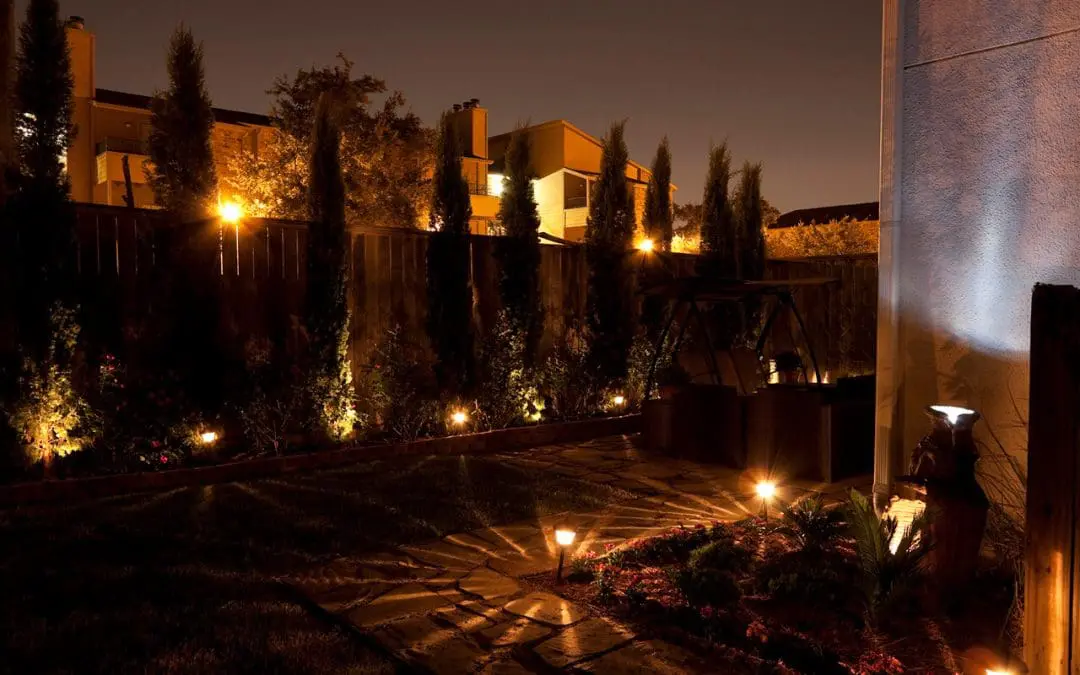
When most homeowners think about home improvement, exterior lighting rarely makes the top of the list. Yet few upgrades deliver as much simultaneous value, improving safety, strengthening security, enhancing curb appeal, and extending outdoor living hours. The right lighting strategy transforms how a property looks and functions after dark in ways that interior renovations and landscaping improvements simply cannot replicate.
Exterior Lighting Serves Multiple Purposes at Once
Unlike most home upgrades that serve a single function, a well-designed exterior lighting plan delivers value across several dimensions simultaneously. Illuminated pathways and entry points prevent the trips and falls that occur most frequently in poorly lit outdoor environments. A well-lit property eliminates the dark areas that create opportunities for unwanted activity. Strategic lighting highlights the architectural features and landscaping that make a home distinctive, features that are completely invisible once the sun goes down without deliberate illumination. Understanding these overlapping benefits helps homeowners prioritize investments and think beyond the single porch light that most properties rely on as their entire outdoor lighting strategy.
Plan Your Exterior Lighting With Zones in Mind
The most effective exterior lighting designs are built around clearly defined zones rather than a collection of individually chosen fixtures. Think of the property in layers, entry and pathway lighting closest to the home, perimeter and security lighting along the property’s less-visible edges, and accent lighting that highlights architectural and natural features throughout the yard. Entry zone lighting at the front door, garage, and secondary entries should clearly illuminate faces and surfaces, a practical safety requirement and a welcoming design element for visitors. Pathway lights along walkways and driveways guide movement safely and define the property’s approach. Perimeter lighting addresses security needs without requiring constant illumination throughout the night.
Fixture Types and Best Applications
Choosing the right fixture for each application is as important as the overall plan. Wall-mounted lanterns flanking the front door are the classic entry choice, providing direct illumination while contributing to the home’s curb appeal. Scale matters here; oversized fixtures on a modest entry look awkward, while undersized ones fail to provide adequate light or visual impact. Recessed soffit lighting under eaves provides clean, unobtrusive downlighting along the home’s perimeter, a contemporary approach that works particularly well on modern architecture. Bollard lights and low-voltage pathway stakes are excellent for walkway and garden bed definition. Floodlights and spotlights serve both security and accent purposes, depending on aim and intensity. A spotlight directed at an architectural feature creates drama, while a floodlight aimed across a driveway provides security coverage. Post lights at the driveway entrance make a strong visual statement and provide practical illumination for vehicles entering and exiting the property.
Exterior Lighting Technology and Energy Efficiency
LED technology has fundamentally changed the economics of exterior lighting. Modern LED fixtures consume a fraction of the electricity of traditional alternatives, last many years longer, perform better in cold and wet outdoor conditions, and are available in the full range of color temperatures needed for any exterior application. Switching an entire home’s exterior to LED produces meaningful energy savings that compound over the life of the installation. Smart exterior lighting systems add convenience and efficiency that traditional fixtures cannot provide. Scheduling, motion detection, dawn-to-dusk sensors, and smartphone control allow homeowners to customize exactly when and how exterior lighting operates. Many systems integrate with broader home automation platforms, allowing exterior lighting to respond to arrivals, departures, and security events automatically. Solar-powered exterior lighting continues to improve and now offers viable options for pathway lights and low-intensity accent applications where a wired installation isn’t practical.
Frequently Asked Questions (FAQs)
Where should exterior lighting be installed first?
Entry points and pathways should be the first priority. These areas have the highest daily traffic and the greatest immediate impact on both safety and first impressions.
What color temperature works best for exterior lighting?
Warm white in the 2700K to 3000K range creates the most welcoming atmosphere for entry and pathway lighting. Neutral white in the 3500K to 4000K range provides better visibility for security applications and garages.
How do I choose the right size exterior lighting fixtures?
Scale fixtures to the architectural elements they accompany. Entry fixtures should be approximately one-quarter to one-third the height of the door they flank.
Are smart exterior lighting systems worth the investment?
For most homeowners, yes. Smart systems eliminate manual switching, ensure the property is always appropriately lit without wasted energy, and can integrate with security systems for automated responses.
How do I maintain exterior lighting fixtures?
Clean fixture lenses seasonally to remove oxidation and dirt that reduces light output. Check and tighten mounting hardware annually. Inspect wiring connections for corrosion or moisture intrusion and replace bulbs promptly when they fail.
Brand Name Home Inspections provides inspection services to homebuyers and sellers in Northern California. Contact us to schedule an appointment for our services.