
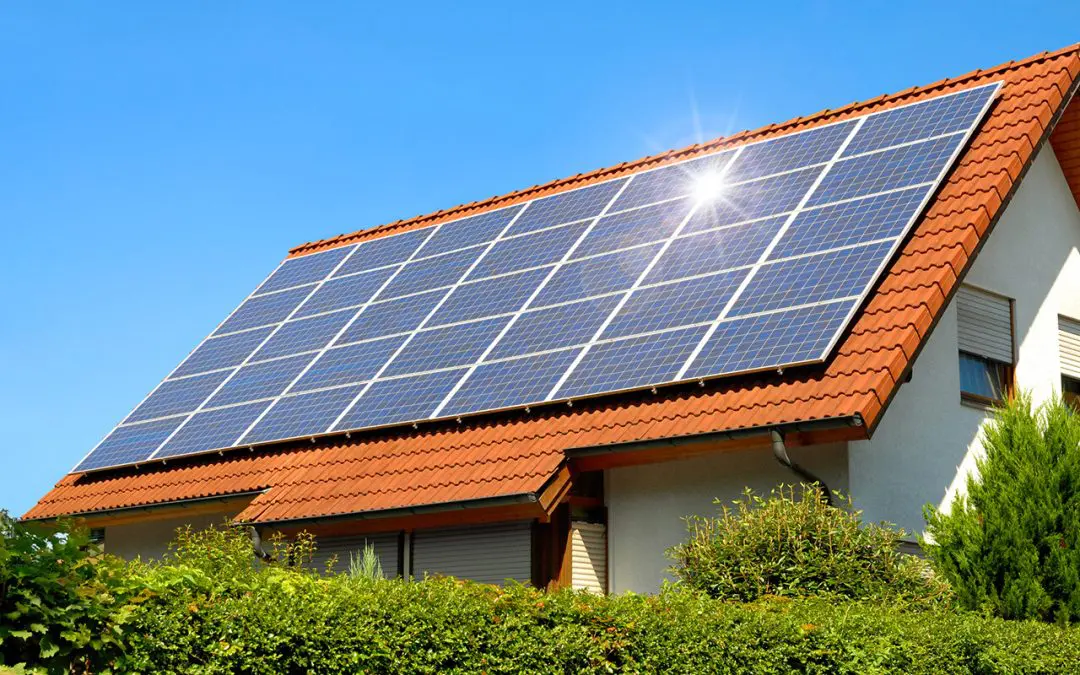
Solar panels are an attractive upgrade for homeowners in Sonoma, Napa, and Marin counties, where sunny weather and high electric rates can make a strong case for going solar. But a system is a major investment, and the details matter. Roof condition, shading, local rules, and financing all affect whether the numbers work for your home. Whether you are considering solar for the house you own or one you are about to buy, here is a practical way to think it through before you sign a contract. Taking time up front helps you avoid costly regrets.
Start With Your Roof and Your Energy Use
Solar panels last twenty-five years or more, so your roof needs to be in good shape before they go on. Replacing a worn roof later means paying to remove and reinstall the entire system. Look at the age of your shingles, the condition of the decking, and the roof’s direction and pitch. South-facing roofs with little shade generally produce the most energy. Then look at your electric bills over the past year. Your usage and your rate plan determine how large a system makes sense and how quickly it will pay for itself. A roofer or inspector can tell you how many years your roof has left, which could save you from paying twice. Also check for rafters and decking that can safely carry the added weight.
Compare Quotes and Financing Options
Get at least three quotes for your solar panels and compare them on cost per watt, panel and inverter brands, warranties, and what happens if a component fails. Ask whether the company is licensed and insured and whether they handle permits and utility paperwork. Then compare how you will pay. Buying with cash or a loan lets you claim incentives and own the system outright, while leases and power purchase agreements reduce upfront costs but can complicate a future home sale. Read the fine print on escalator clauses before committing. Be wary of high-pressure sales tactics, and never sign on the spot. A good installer will give you time to review everything and answer your questions clearly. Check reviews and ask for references from past customers.
Understand Permits and Utility Rules for Solar Panels
Solar panels need permits and inspection by your local building department, and your utility must approve the connection before you can switch on. Rules for net metering and export credits change, so ask how they apply to your system today. In wildfire-prone parts of Northern California, installers must also follow setback and shutoff requirements that give firefighters safe roof access. A licensed installer should handle these details, but it is smart to confirm each step in writing before work begins. Approval timelines vary, so ask how long the process typically takes in your area and whether the installer pulls the permits for you. Keeping copies of every approval protects you when you sell.
Inspect Solar Panels Before You Buy or Sell
If you are buying a home with solar panels, treat the system as its own item to evaluate. Ask for the installation date, warranty paperwork, permit records, and production history. Find out whether the panels are owned or leased, because a lease must be transferred to the new buyer. A home inspection can note visible issues with panels, mounting hardware, wiring, and the roof beneath them, which helps you understand what you are taking on. Surprises here can be expensive, so ask questions early. Request recent utility bills, too, so you can see what the system actually produces compared to what the seller claims. A knowledgeable agent and a thorough inspection can help you sort out which details matter.
Frequently Asked Questions (FAQs)
Do solar panels increase home value?
They often do, particularly when owned outright, because buyers value lower energy bills. Leased systems may add less value and require extra paperwork at sale. Appraisers can be inconsistent, so keep installation records handy.
How long do solar panels last?
Most come with a twenty-five-year performance warranty. Inverters usually need replacement after ten to fifteen years. Ask the installer what the warranty covers and whether it transfers to a new owner.
Can I put solar panels on an older roof?
It’s possible, but a roof near the end of its life should be repaired or replaced first to avoid paying twice. Ask your installer to document roof condition before work starts.
Do solar panels work on cloudy days?
Yes, at reduced output. Production depends on available light, so even cooler, overcast days still generate some power. Cool, bright days can actually improve efficiency, since panels run better when they aren’t overheated.
What does a home inspector look at with solar panels?
An inspector can observe the roof, visible mounting, wiring, and disconnects, but doesn’t test system performance. A solar specialist can evaluate output and equipment. Ask for monitoring data to see real-world production.
Brand Name Home Inspections provides inspection services to homebuyers and sellers in Northern California. Contact us to schedule an appointment for our services.